Injury Timelines Reshaping Selections for Cricket Tours and Football Club Seasons
Sam Zimmermann · Aug 21, 2026
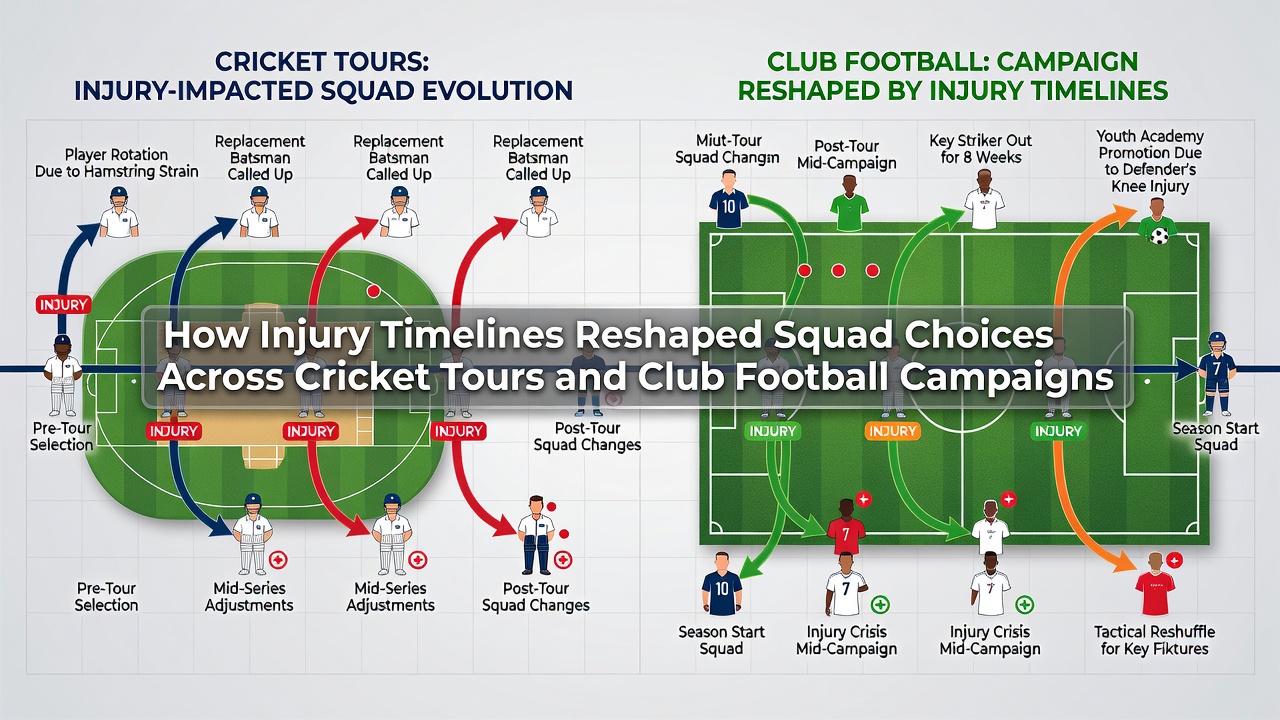
Injury Timelines Reshaping Selections for Cricket Tours and Football Club Seasons
Recovery periods from injuries have long dictated how selectors build squads for extended cricket tours and multi-month football campaigns, and recent data shows this influence growing stronger as medical assessments become more precise. Teams now track healing timelines in weeks and months rather than vague estimates, which forces early decisions on replacements and squad depth.
Cricket Tours and Recovery Windows
Selectors in cricket face unique pressures because tours often span six to eight weeks with back-to-back formats, and a single hamstring strain can sideline a player for four to six weeks according to studies from the Australian Institute of Sport. When fast bowlers report stress fractures, management must weigh the exact return date against remaining matches; this calculation led several boards to call up uncapped pacers mid-tour during 2025-2026 series rather than gamble on partial fitness. Observers note that spin bowlers with ankle issues receive shorter recovery allowances than batters with similar injuries, since their workload patterns differ and data from Australian Institute of Sport reports indicates faster healing rates for lower-body injuries in that subgroup.
Longer timelines also affect batting line-ups when middle-order players suffer concussions, as protocols require graduated return-to-play steps that stretch across multiple weeks. National teams have adjusted by carrying extra all-rounders who can fill multiple roles, a pattern visible in several Asian and European squads preparing for away series in August 2026. Those who've studied selection patterns see clear links between published injury databases and the composition of touring parties announced months in advance.
Club Football Campaigns and Squad Rotation
Football clubs operate under tighter fixture congestion, where a knee ligament repair that keeps a defender out for nine months can reshape an entire season's defensive options. Premier League and European league medical staffs now share anonymized recovery data through UEFA networks, allowing coaches to plan transfer windows around known timelines rather than reacting after the fact. Midfielders recovering from ankle surgery often return in phases, and clubs that tracked these phases accurately avoided mid-season gaps by signing short-term cover earlier.
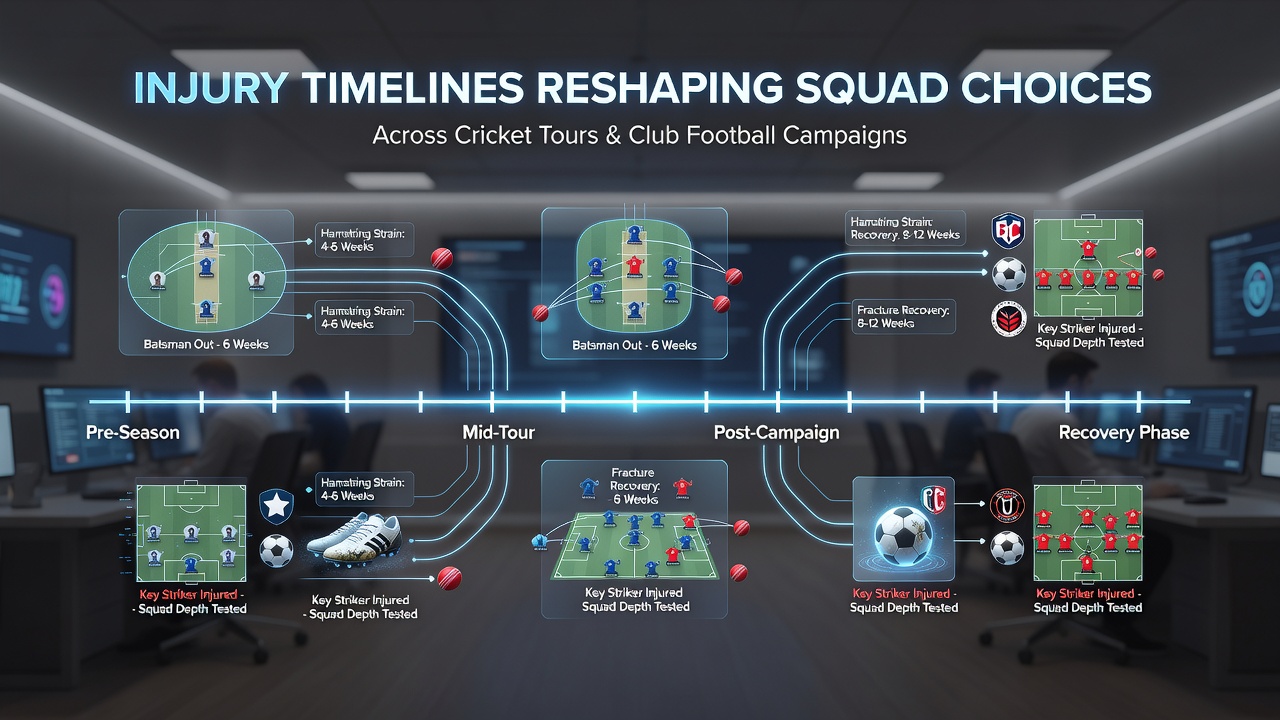
Data collected across multiple leagues reveals that teams maintaining detailed injury timelines reduced the number of emergency loans by 18 percent in the 2025-2026 season. This improvement stems from better coordination between club doctors and national team physicians, who align calendars for players returning from international duty. When a striker's timeline extends beyond the winter break, clubs shift resources toward younger academy prospects instead of pursuing expensive deadline-day signings, a strategy documented in several club reports filed with league authorities.
Shared Patterns Across Both Sports
Both cricket and football now rely on standardized classification systems that assign expected return dates based on injury type and player position. Researchers discovered that cross-sport comparisons help selectors anticipate cascading effects, such as when a star player's absence forces others into unfamiliar roles and raises secondary injury risks. In August 2026, several cricket boards and football clubs will align their pre-season medical screenings with these shared models to refine initial squad registrations before tours and campaigns begin.
Case studies from recent tours and league seasons illustrate how a four-week recovery window for a bowler or a six-month timeline for a central defender can trigger chain reactions in selection meetings. Those who've examined the records find that squads with deeper bench options absorb these disruptions more smoothly, while thinner groups must accelerate youth promotions or request replacements through governing body channels.
Conclusion
Medical timelines have become central planning tools rather than afterthoughts, and both cricket and football organizations continue to refine how they integrate recovery data into squad construction. This approach produces more stable line-ups across long tours and crowded club seasons while highlighting the need for continued investment in injury prevention research from sources across multiple continents.