Manchester United Academy Graduates Building Experience Through Loans in Europe's Secondary Leagues
Elena Coleman · Aug 24, 2026
Manchester United Academy Graduates Building Experience Through Loans in Europe's Secondary Leagues
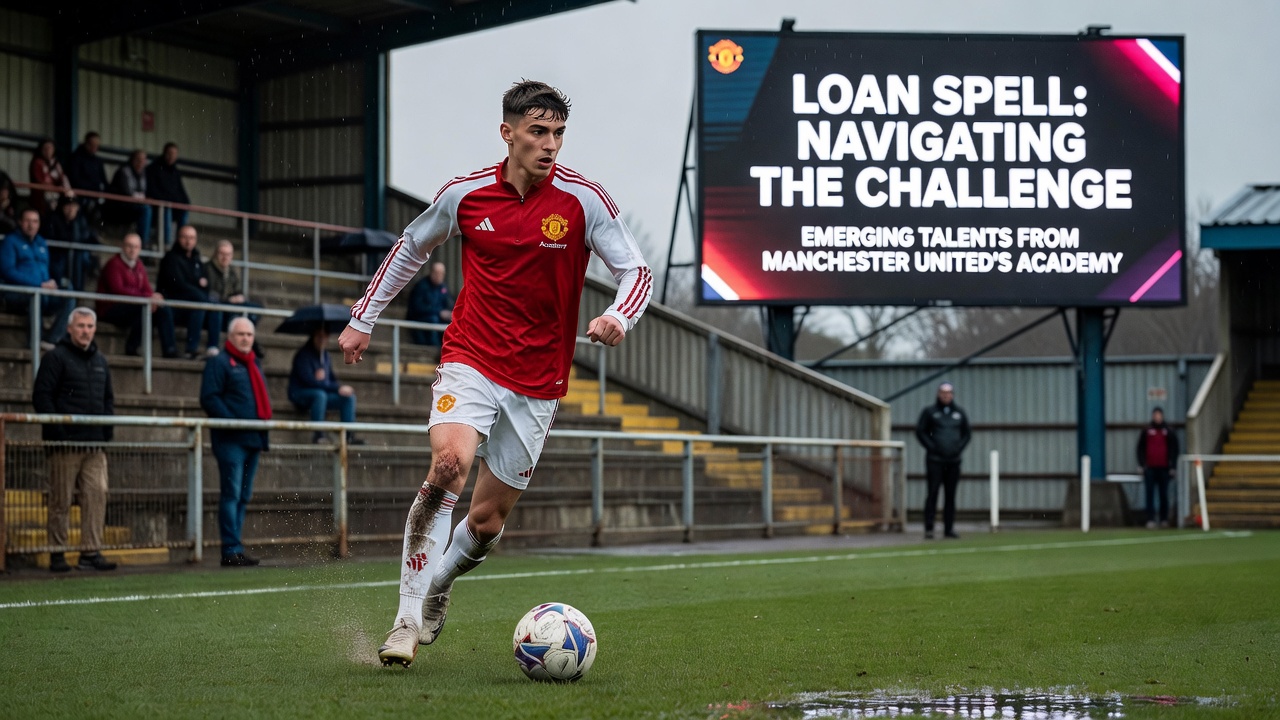
Manchester United has long used loan arrangements to develop academy graduates, sending them to clubs across lower divisions in countries such as the Netherlands, Belgium, Portugal, and Scandinavia where they encounter regular first-team minutes, different tactical systems, and physical demands that differ from Premier League environments. Data from club reports and player tracking services shows that dozens of under-23 talents have completed such moves in recent seasons, with placements often arranged in August windows to align with competitive schedules that begin in late summer.
Planning Loan Destinations for Targeted Development
Club staff evaluate leagues based on playing time statistics, coaching philosophies, and competitive intensity before finalizing destinations, and they match individual player profiles to environments that address specific gaps such as aerial duels, set-piece organization, or high-pressing endurance. Researchers at European sports institutes have documented how these decisions draw on performance metrics collected during academy matches and reserve-team fixtures, allowing analysts to recommend leagues where average match tempo and physical contact rates align with the player's current stage of physical maturation.
Coaches in receiving clubs receive detailed scouting dossiers that outline technical strengths and areas for improvement, which helps integrate the loanee into starting lineups within the first few weeks of arrival. Figures released by domestic federations in the Netherlands and Belgium indicate that foreign loanees from top English academies typically log between 1,800 and 2,400 minutes in their debut season abroad when placed at clubs competing for mid-table security rather than promotion or relegation battles.
Adapting to New Tactical and Cultural Demands
Players often encounter 4-3-3 or 3-5-2 formations that emphasize width and quick transitions, systems that contrast with the possession-dominant patterns common at Old Trafford. Language acquisition programs and cultural orientation sessions arranged by the parent club ease the shift, while video analysis packages prepared by Manchester United's performance staff highlight opponent tendencies in the host league. Observers note that those who adapt fastest tend to maintain contact with academy coaches through weekly video calls, allowing technical adjustments to be reinforced without disrupting the loan club's daily routine.
Physical conditioning regimens shift to accommodate shorter recovery periods between matches, a common feature of leagues that play twice weekly during winter months. Nutrition and sleep-tracking data shared between clubs show that players who maintain baseline metrics established during academy testing experience fewer soft-tissue injuries over the course of a full campaign.
Monitoring Progress and Pathways Back to the First Team
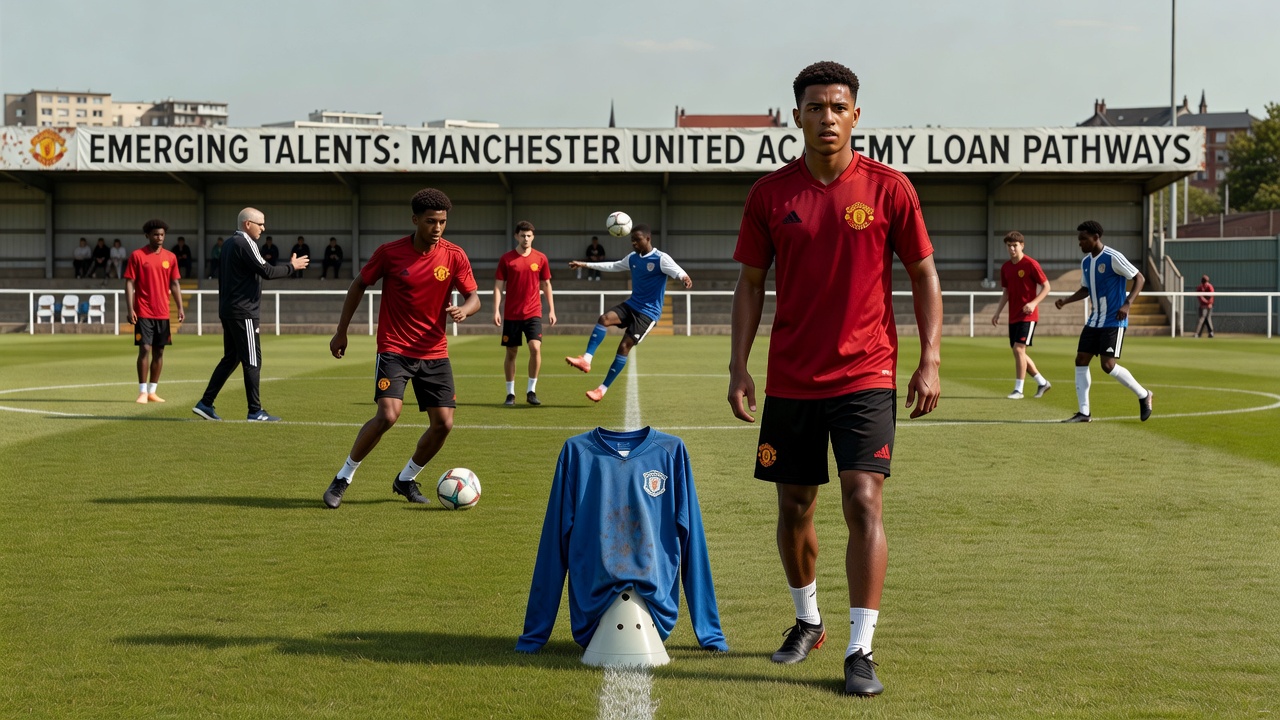
Monthly performance reviews combine match footage, GPS workload data, and coach feedback from the loan club, creating a composite profile that informs decisions about contract extensions or recall. In August 2026 several players who completed loans during the 2025-26 season returned for pre-season assessments that incorporated these accumulated metrics, allowing the academy to measure improvements in duel success rates and progressive passes per 90 minutes against internal benchmarks.
Those who demonstrate consistent starting status and positive statistical trends often receive opportunities in domestic cup ties or Europa League squads upon return, while others may secure further loans at a slightly higher competitive level. Federation-wide studies across multiple European associations reveal that academy graduates who complete at least one full season abroad record higher rates of eventual first-team appearances compared with peers who remain exclusively in reserve-team football.
Support Structures That Reduce Transition Friction
Manchester United maintains a network of player-liaison officers and sports psychologists who visit loan clubs quarterly, addressing issues ranging from homesickness to media pressure. Housing arrangements, language tutors, and educational support for those still completing academic qualifications form part of the standard package, ensuring that off-field stability supports on-pitch development. Industry reports from player welfare organizations across Scandinavia and the Benelux region highlight the value of such coordinated support in lowering the incidence of early loan terminations.
Communication protocols between medical departments allow seamless continuation of injury-prevention programs, and strength coaches share updated training plans through shared digital platforms. This continuity helps players sustain the physical standards established at the academy while adapting to new match schedules and pitch conditions.
Conclusion
Loan spells in lower-tier European leagues function as structured development phases for Manchester United academy graduates, providing competitive minutes, tactical exposure, and cultural adaptation under monitored conditions. Performance data and federation statistics demonstrate measurable gains in key metrics for players who complete these placements, while established support frameworks from both the parent club and host leagues reduce common transition risks. The process continues to evolve with refined scouting tools and cross-club communication channels that align individual needs with league characteristics.