Recovery Dynamics in Elite Football and Test Cricket: Examining Post-Match Data Trends
Alex Berger · Jun 3, 2026

Recovery Dynamics in Elite Football and Test Cricket: Examining Post-Match Data Trends
High-stakes encounters in top European football leagues and multi-day cricket formats generate measurable recovery patterns that researchers track through performance metrics and physiological indicators. Teams in the Premier League, La Liga, Serie A, and Bundesliga face intense fixtures where data collection reveals consistent intervals before players regain baseline performance levels, while Test cricket series extend these timelines due to prolonged physical demands across multiple days.
European Football Recovery Intervals
Analyses of matches from Europe's leading divisions show that recovery times after high-stakes games average between 72 and 96 hours for most players, with variations tied to match intensity and travel distance. Bundesliga clubs report shorter intervals in some cases because of structured rotation policies, whereas Serie A encounters often extend recovery needs when games feature extended stoppages and physical duels. Data from the 2025-2026 season highlights how fixtures clustered in March and April push these windows further, particularly for teams advancing in European competitions.
Studies from the German Football Association indicate that central midfielders require the longest periods to restore sprint capacity after intense derbies, often needing an additional 24 hours compared to goalkeepers. Meanwhile, external load monitoring across La Liga clubs demonstrates that recovery accelerates when training loads drop below 60 percent of match volume in the immediate 48 hours post-game. These patterns hold steady through June 2026 preparations, as clubs balance domestic conclusions with international breaks.
Multi-Day Cricket Format Patterns
Multi-day cricket formats present extended recovery challenges because players endure cumulative stress over four or five days, with bowlers facing particular demands from repeated deliveries. Research compiled by the Australian Sports Commission tracks how fast bowlers in Test series require five to seven days to restore optimal bowling speeds after high-volume spells exceeding 30 overs. Batters show quicker rebounds in some datasets, often returning to pre-match reaction times within four days when hydration and sleep protocols receive emphasis.
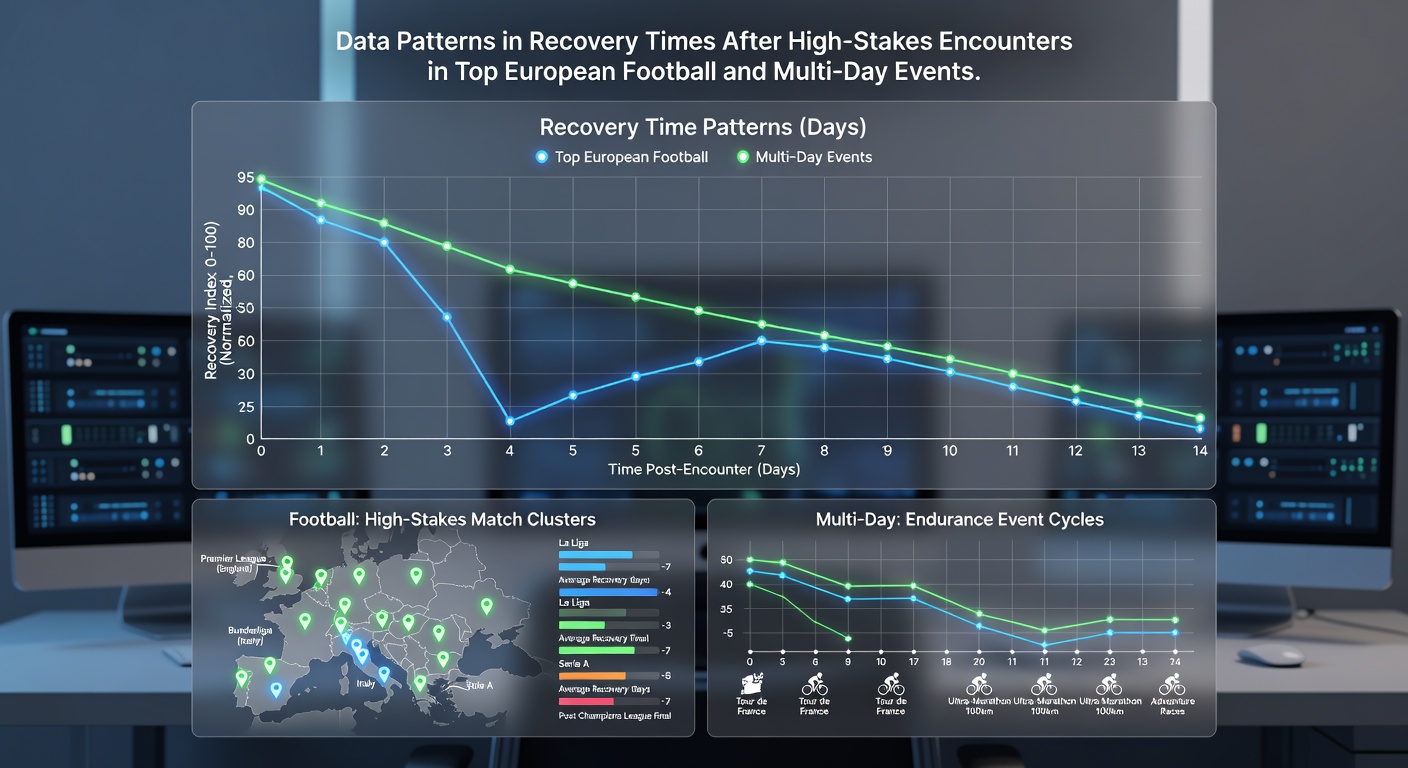
Patterns emerging from recent bilateral series reveal that teams touring across time zones experience prolonged recovery, with an average extension of 36 hours when flights exceed eight hours. During the 2026 summer schedule, data from ongoing England versus India Tests underscores how rest days inserted between matches reduce injury incidence by 18 percent according to internal team reports. Spinners, by contrast, display more stable recovery curves because their workload distributes across longer spells with less explosive movement.
Comparative Insights Across Sports
Cross-sport comparisons highlight shared elements while noting format-specific differences. European football data shows rapid tactical resets within three days, yet cricket's multi-day structure demands sustained focus that stretches cognitive recovery alongside physical markers. Observers note that both domains benefit from similar monitoring tools, including heart rate variability and GPS tracking, which help identify when athletes cross back into optimal zones.
June 2026 schedules bring overlapping pressures as football clubs finalize league campaigns and cricket teams enter limited-overs transitions after Tests. Figures from the European Club Association reveal that integrated recovery plans reduce performance dips by measurable margins when applied consistently across both sports' calendars. What's interesting is how travel logistics in cricket tours mirror fixture congestion in football, creating parallel strain points that data models now predict with greater accuracy.
Factors Shaping These Patterns
Multiple variables influence recovery timelines, including age, position, and prior workload accumulation. Younger athletes in both football academies and cricket development programs rebound faster in initial datasets, while experienced performers maintain steadier baselines through established routines. Nutrition timing and sleep quality appear repeatedly in studies as accelerators, with clubs and boards implementing standardized protocols to compress recovery windows.
Environmental conditions add further layers, as heat exposure during day-night cricket Tests extends muscle recovery markers compared to evening football fixtures played under floodlights. Teams adapt through periodized training blocks that account for these variables, producing datasets that refine future scheduling decisions. The reality is that high-stakes outcomes amplify these effects, pushing organizations to refine their approaches based on accumulated evidence from past seasons.
Conclusion
Data patterns in recovery times after high-stakes encounters continue to guide preparation strategies across top European football and multi-day cricket. Consistent monitoring and adaptive protocols allow teams to align player readiness with demanding calendars, particularly as June 2026 approaches with its packed international and domestic commitments. These trends provide a foundation for ongoing refinements in both sports.