Resilience in Action: Factors Behind Dramatic Turnarounds in League Play and International Fixtures
Alex Berger · Aug 21, 2026
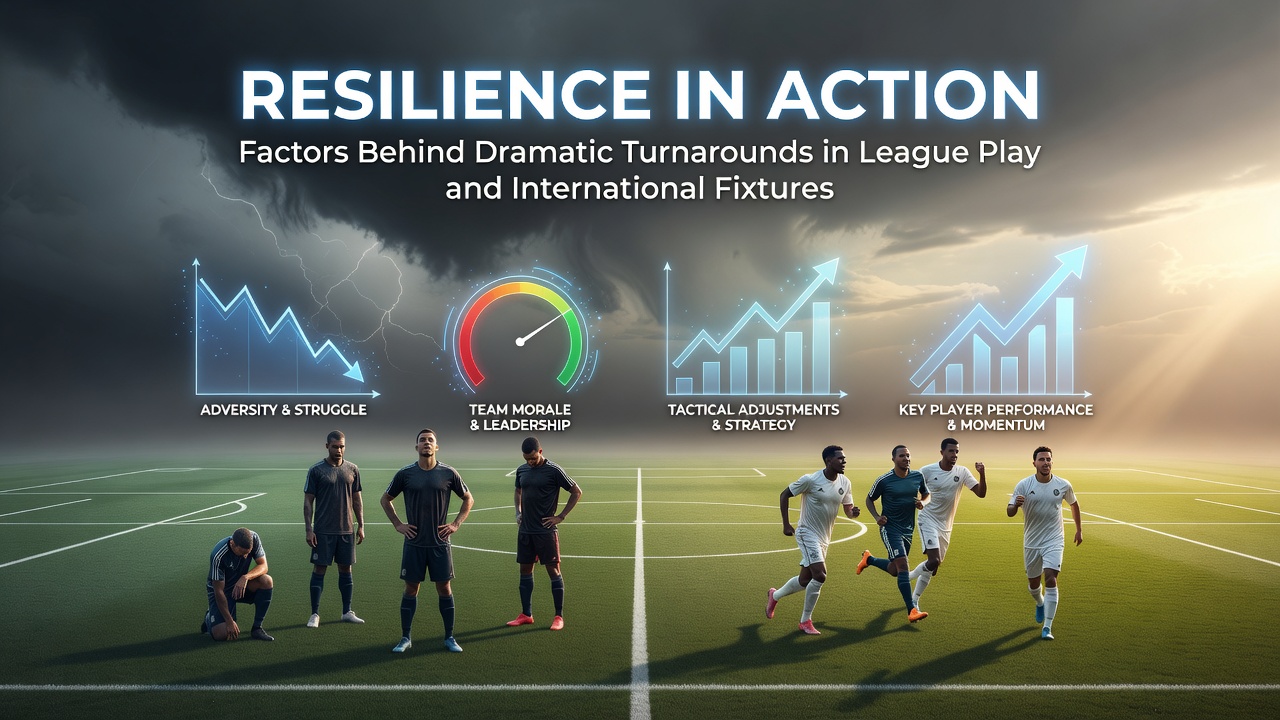
Resilience in Action: Factors Behind Dramatic Turnarounds in League Play and International Fixtures
Resilience in football emerges through a combination of mental preparation, tactical flexibility, and physical recovery protocols that allow teams to reverse deficits in both domestic leagues and international competitions, and data from multiple seasons shows these elements working together rather than in isolation.
Core Elements Driving Turnarounds
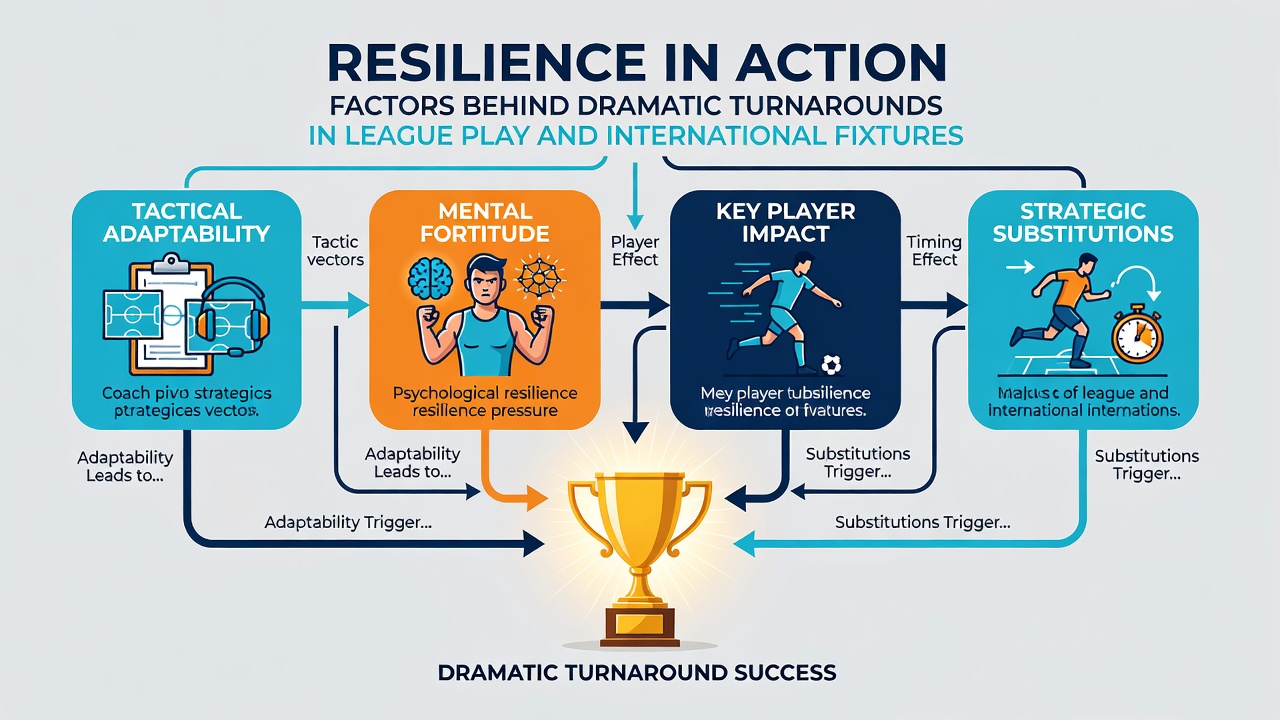
Observers note that successful reversals often begin with leadership adjustments on the pitch where captains and senior players enforce structured communication patterns during breaks in play, while coaching staffs introduce targeted substitutions that alter formations mid-match to exploit opponent fatigue, and studies from sports science programs indicate that teams applying these changes within the first fifteen minutes after a setback record higher recovery rates across league fixtures.
Physical conditioning plays a central role because players who maintain high-intensity output in the final twenty minutes of games demonstrate measurable advantages in sprint recovery and duel success, according to performance tracking compiled by European club academies, yet mental frameworks receive equal attention since athletes trained in visualization techniques report lower anxiety levels when trailing by multiple goals.
League Play Patterns
In domestic competitions, mid-season turnarounds frequently trace back to collective fitness regimes implemented during winter breaks, where clubs integrate recovery analytics to reduce soft-tissue injuries and sustain squad depth through congested schedules, and figures from league-wide monitoring systems reveal that sides avoiding major injury clusters between December and March post improved points-per-game averages in teh second half of campaigns.
Coaches who review opponent set-piece vulnerabilities in real time and adjust defensive lines accordingly create opportunities for quick counters that shift momentum, while data collected across multiple European leagues highlights how these micro-adjustments compound over ninety minutes to produce come-from-behind victories.
International Fixture Dynamics
National teams face compressed preparation windows that demand rapid adaptation, and analysts tracking World Cup qualifiers note that squads incorporating sports psychologists into daily routines maintain composure after early concessions more consistently than those relying solely on technical drills, while August 2026 international windows will test similar protocols as federations balance player workloads ahead of expanded tournament formats.
Recovery protocols between matches become decisive because travel across time zones disrupts sleep cycles, yet teams that deploy individualized nutrition and sleep monitoring report faster return to baseline performance metrics, according to research coordinated through multi-national sports institutes.
Supporting Research and Data Sources
Evidence compiled by the UEFA technical reports shows correlations between structured half-time interventions and improved second-half goal differentials in knockout ties, and parallel findings from the Australian Institute of Sport emphasize the role of resilience training modules in reducing performance drops after setbacks in high-pressure environments.
These patterns extend beyond single matches because sustained turnarounds require ongoing investment in youth development pipelines that embed decision-making under fatigue from early ages, and longitudinal data indicates clubs maintaining such programs experience fewer prolonged losing streaks across consecutive seasons.
Conclusion
Turnarounds in league play and international fixtures rest on interconnected factors including leadership communication, tactical responsiveness, physical conditioning, and psychological preparation, with performance data confirming that teams addressing all areas simultaneously achieve more consistent reversals, and upcoming schedules in 2026 will continue to test these elements under evolving competitive demands.