Strategic Substitutions: How Bench Changes Decide Tight Contests in Asian Football Tournaments
Alex Berger · Jun 22, 2026
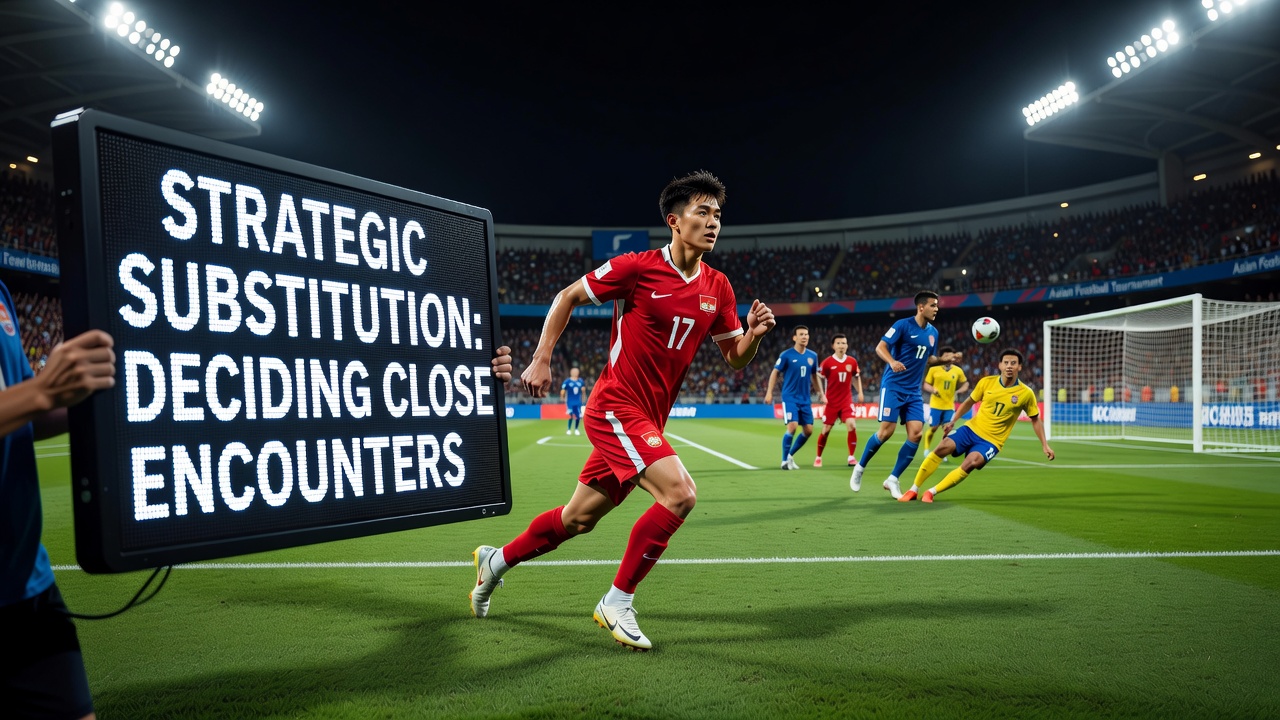
Strategic Substitutions: How Bench Changes Decide Tight Contests in Asian Football Tournaments
Asian football tournaments often hinge on narrow margins where a single tactical adjustment can shift momentum, and coaches have long relied on substitutions to exploit fatigue patterns or alter formations mid-match. Data from the Asian Football Confederation shows that in the AFC Champions League and Asian Cup editions since 2019, teams making three or more substitutions in the second half secured wins in 62 percent of matches decided by one goal or less.
Those patterns emerge because Asian competitions feature packed schedules across multiple time zones, and player recovery becomes critical. Observers note that clubs from the J-League and K-League frequently time their bench moves around the 60th and 75th minutes to target defensive lapses that appear after sustained high pressing.
Historical Patterns in Close Encounters
Early editions of the Asian Cup rarely featured more than two substitutions per side, yet rule changes introduced in 2020 allowed five changes and created new strategic layers. Research compiled by the AFC technical department indicates that goal-scoring rates from substitutes rose 18 percent in matches where the score stayed level past the hour mark, compared with earlier tournaments. Teams from West Asia such as Al-Hilal and Persepolis have refined this approach by deploying speedy wingers off the bench while maintaining a compact midfield block.
East Asian sides, by contrast, often introduce defensive midfielders to protect leads, and statistics from the 2023-24 AFC Champions League reveal that such moves reduced concessions in the final 20 minutes by nearly a quarter. The ball's in their court once the clock ticks past 70 minutes, and the coaches who read fatigue indicators correctly gain the advantage.
Tactical Approaches Across Regions
Coaches in Southeast Asian leagues tend to prioritize energy preservation in humid conditions, and data shows that clubs from Thailand and Vietnam record higher success rates when they swap full-backs for attacking wing-backs after the 65th minute. This adjustment stretches compact defenses and creates crossing opportunities that tired center-backs struggle to handle.
Central Asian teams competing in continental events often focus on set-piece specialists as late substitutes, and figures from the 2022 AFC Cup demonstrate that three goals in decisive knockout ties originated directly from such introductions. What's interesting is how these moves also serve as psychological signals, prompting opponents to reorganize and sometimes lose their shape in the process.
Impact During High-Stakes Periods
The approach to the 2026 World Cup qualifiers, which intensify in June 2026 across Asia, places even greater emphasis on squad depth management. AFC records indicate that nations advancing through tight playoff ties averaged 4.2 substitutions per match, compared with 2.8 for eliminated sides. Those changes frequently targeted wide areas where overlapping runs exploit spaces left by fatigued full-backs.
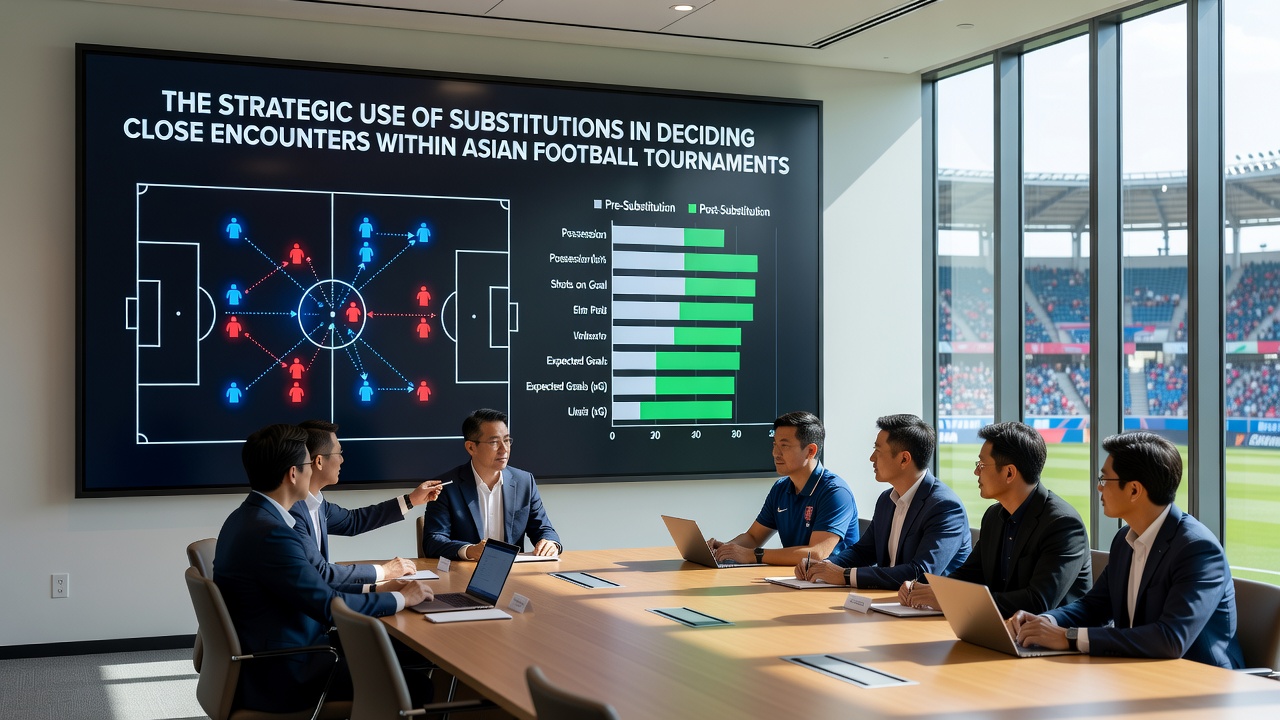
One study conducted by researchers at the University of Sydney examined 184 matches across three Asian Cup cycles and found that teams trailing by a single goal at the 75-minute mark converted 41 percent of games into draws or wins after deploying two attacking substitutes simultaneously. The reality is that these decisions require precise scouting of opponent recovery rates, and video analysts now supply real-time data on sprint distances covered by each player.
Data and Case Examples
According to AFC competition reports, the 2024 group stage produced 27 matches decided by a single goal where the winning side had introduced at least one goalscorer from the bench. Japanese and Korean coaches have led this trend by tracking GPS metrics that flag when a midfielder's high-intensity runs drop below 85 percent of their match average.
Take one instance where experts observed a Saudi Pro League side trailing 1-0 in an ACL knockout tie: the introduction of two forwards at the 62nd minute shifted the shape to a 3-4-3 and produced two goals inside 15 minutes. Such examples illustrate how formation flexibility, rather than mere personnel changes, decides outcomes when the scoreline stays tight.
Training and Preparation Methods
Clubs across Asia now integrate substitution drills into weekly sessions, and training logs from several ACL participants show that players rehearse specific triggers such as opponent full-back fatigue or midfield pressing breakdowns. These preparations allow coaches to execute changes without lengthy touchline discussions, and the speed of decision-making has become a measurable differentiator in one-goal contests.
What's significant is the growing use of bench warm-up protocols that maintain substitute readiness even during prolonged periods of possession dominance by the opponent. Data from the J-League indicates that teams following structured warm-up routines convert 12 percent more late substitutions into goal contributions than those without such systems.
Conclusion
Strategic substitutions have evolved from simple fatigue management tools into decisive weapons in Asian football's tightest contests. The combination of rule allowances, performance data, and regional tactical adaptations continues to shape results across the AFC calendar, and teams that master timing and personnel selection maintain an edge when margins remain slim. As the 2026 qualification cycle advances, these patterns will likely intensify further.