Technological Innovations Reshaping Preparation Strategies Across Football Clubs and National Cricket Sides
Amir Zimmermann · Jun 26, 2026
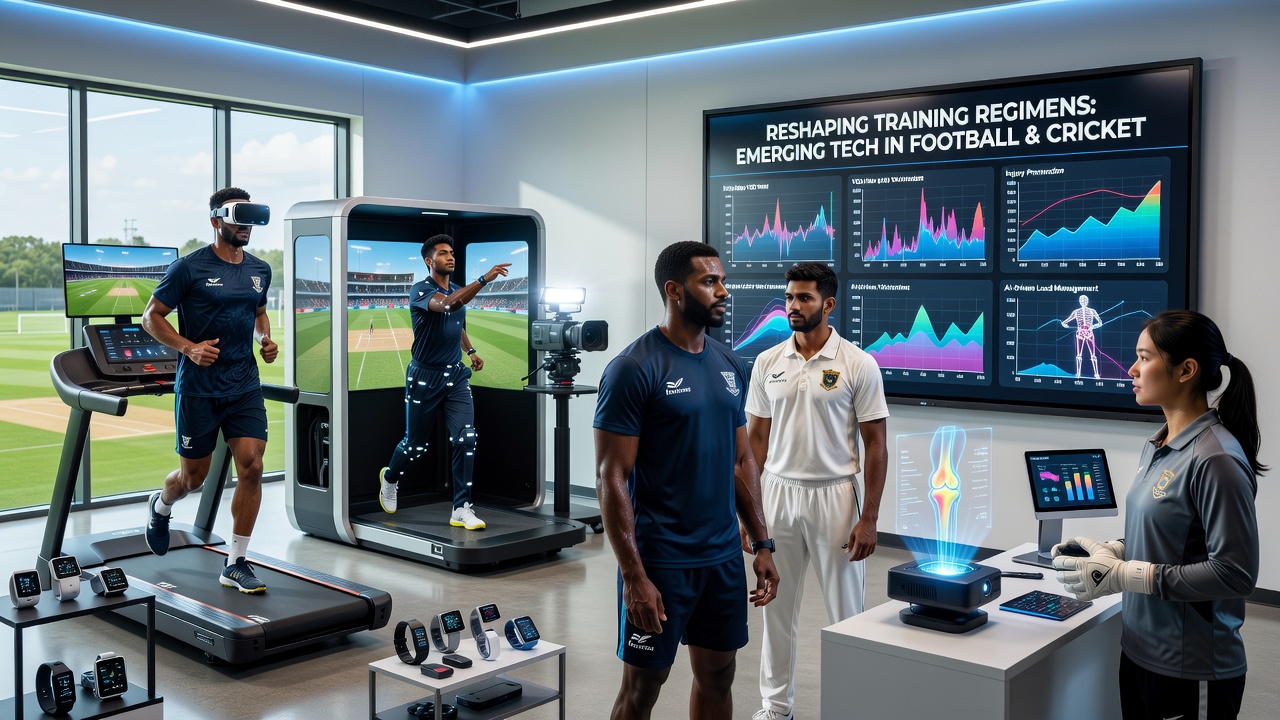
Technological Innovations Reshaping Preparation Strategies Across Football Clubs and National Cricket Sides
Football clubs and national cricket sides have integrated emerging technologies into daily training regimens at an accelerated pace since the early 2020s, with data collection tools and simulation platforms now forming core components of athlete development programs. Researchers at institutions across multiple continents continue to document how these systems alter load management, skill acquisition, and recovery timelines for players preparing for major competitions including the FIFA World Cup scheduled for June 2026.
Wearable Sensors and Performance Monitoring Systems
Clubs in major European leagues along with national cricket boards in Australia, England, and India deploy GPS-enabled vests and biometric wristbands that track metrics such as heart rate variability, acceleration forces, and metabolic output during every session. These devices feed information into centralized databases where algorithms identify patterns that signal elevated injury risk or suboptimal recovery, allowing coaches to adjust individual workloads in real time rather than relying on periodic manual assessments.
Studies conducted by the Australian Institute of Sport have shown that continuous monitoring reduces soft-tissue injury rates by measurable margins when training volumes are modified according to sensor feedback. Football teams and cricket squads alike now schedule recovery protocols based on overnight sleep data and daily readiness scores instead of following fixed calendars.
Virtual Reality and Augmented Reality for Skill Development
Virtual reality headsets enable players to rehearse set-piece scenarios and match situations without physical contact, a development that gained traction after several Premier League and IPL franchises invested in custom simulation software. Augmented reality overlays project tactical information onto real playing fields during drills, helping midfielders and batters visualize positioning options while maintaining natural movement patterns.
National cricket sides have incorporated VR batting simulations that replicate deliveries from international bowlers at full speed, while football clubs use similar platforms to practice penalty shootouts and defensive shape under variable crowd noise conditions. Observers note that these tools shorten the time required for younger athletes to reach first-team readiness levels compared with traditional pitch-based repetition alone.
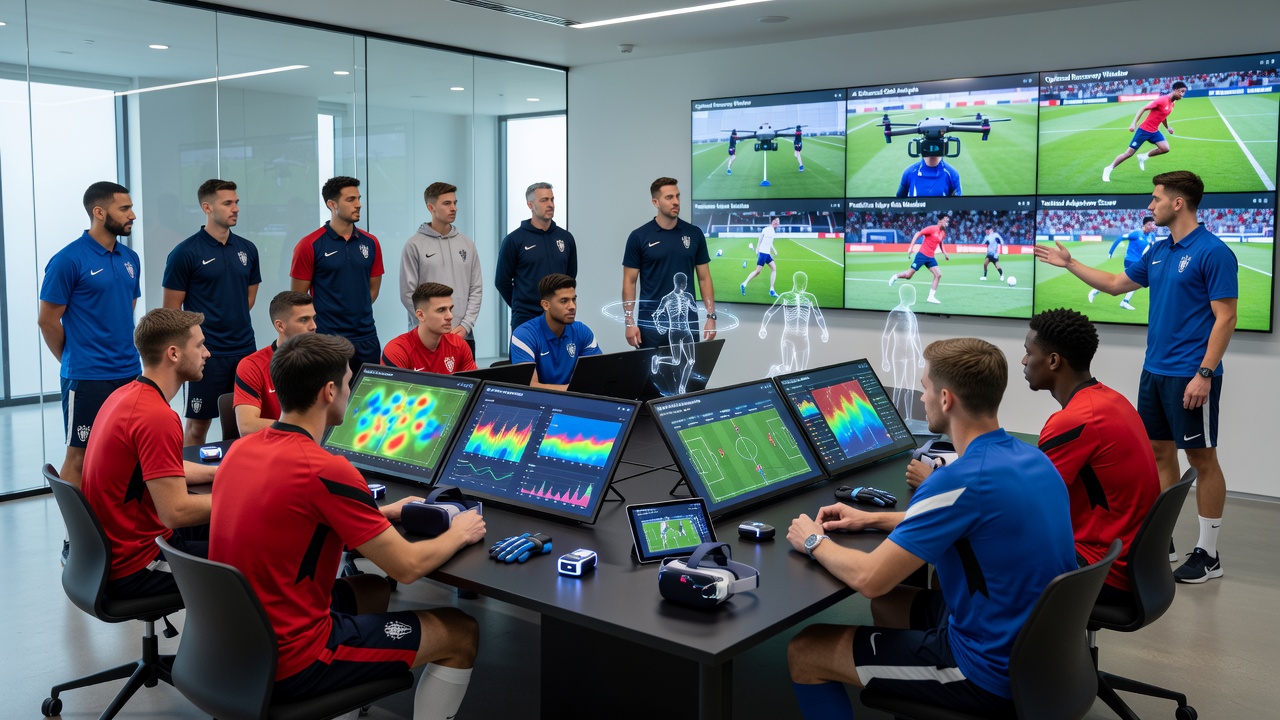
Artificial Intelligence and Predictive Analytics Integration
Machine learning models analyze historical match data combined with current biometric readings to forecast performance peaks and troughs weeks ahead. Football clubs apply these forecasts when planning rotation policies for congested fixture periods, while cricket selectors use similar outputs to determine bowling workloads during multi-format tours. Research published through the University of British Columbia's sports science program demonstrates that AI-assisted planning improves consistency across back-to-back matches when teams face limited preparation windows.
Coaches receive automated recommendations for drill modifications based on opponent tendencies extracted from video databases, reducing the manual review burden that previously consumed hours each day. These systems update continuously as new match footage becomes available, ensuring training content remains aligned with evolving tactical trends.
Implementation Patterns Across Clubs and National Teams
Leading football organizations maintain dedicated sports science departments that collaborate with technology vendors to customize platforms for their specific playing styles, whereas national cricket boards often share centralized resources across multiple age-group programs. Both sectors report that initial implementation costs have declined as hardware becomes more standardized and cloud-based analytics services scale across user bases.
During preparations ahead of June 2026 fixtures, several federations are testing combined sensor and simulation packages that link training data directly to match-day decision support tools used by coaching staff on the sidelines. This integration allows real-time tactical adjustments informed by live biometric streams from players on the field.
Conclusion
Emerging technologies continue to alter how football clubs and national cricket sides structure daily training, recovery, and tactical preparation through interconnected sensor networks, simulation environments, and predictive modeling systems. Data from multiple research centers indicates sustained adoption rates across both sports, with measurable impacts on workload distribution and skill acquisition timelines as teams advance toward major events including the 2026 FIFA World Cup cycle.