Tracing the Evolution of Electronic Aids in Tennis Line Calls and Cricket Umpire Reviews
Elena Coleman · Jul 15, 2026
Tracing the Evolution of Electronic Aids in Tennis Line Calls and Cricket Umpire Reviews
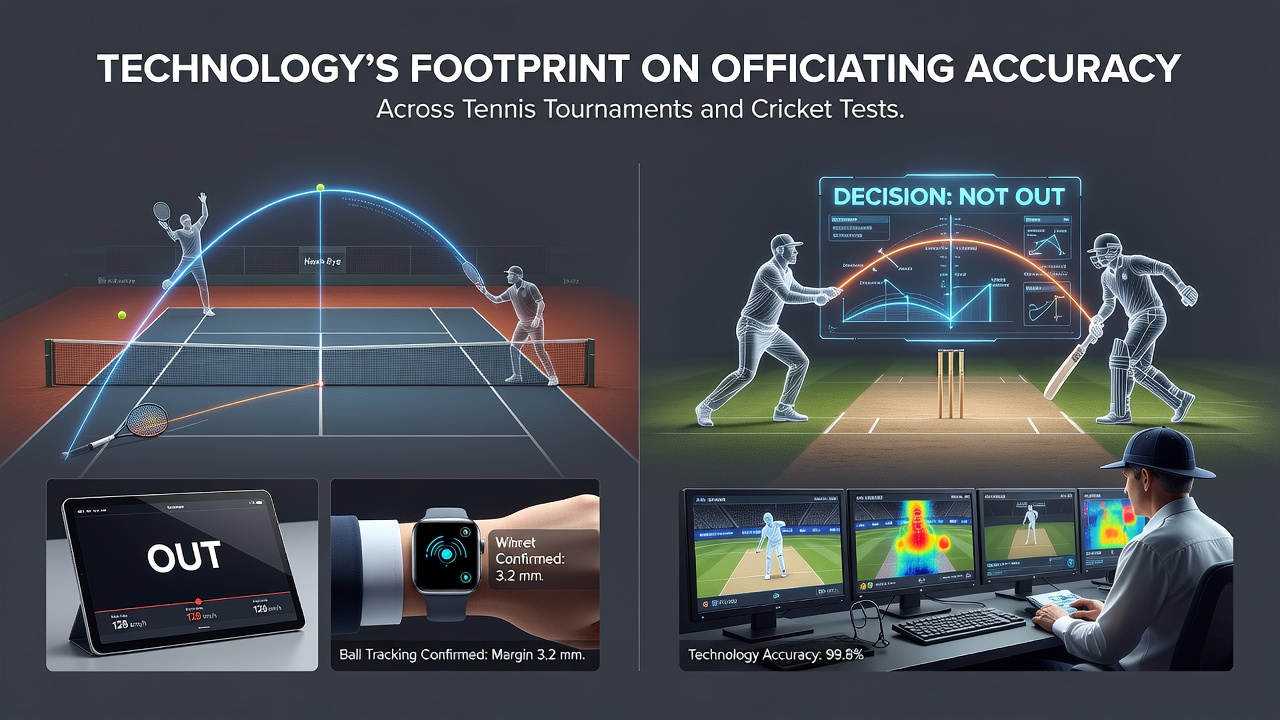
Technology has altered how officials handle close decisions in tennis tournaments and cricket test matches since systems like ball-tracking software entered the scene in the early 2000s, and data collected across multiple seasons shows measurable shifts in accuracy rates. Players now challenge calls with greater confidence because the tools provide consistent visual evidence while governing bodies continue to refine calibration standards for each sport.
Ball Tracking Systems in Tennis Tournaments
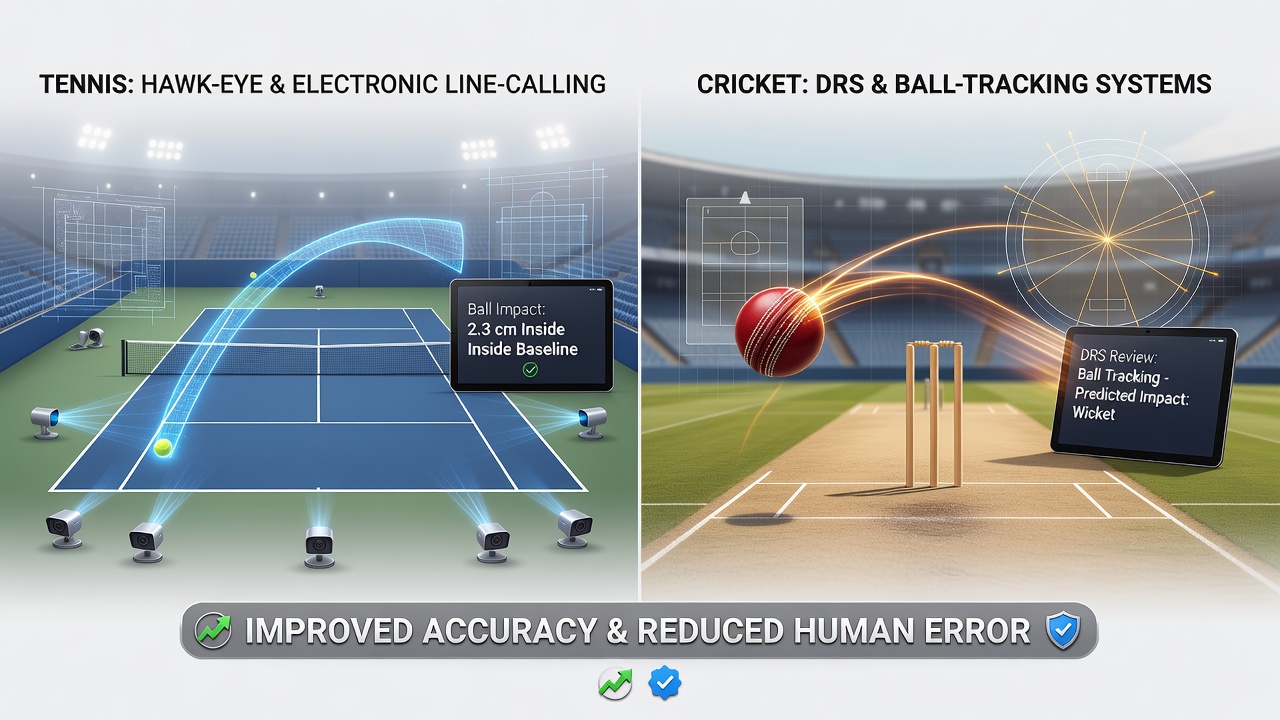
Tennis adopted electronic line-calling aids first through Hawk-Eye installations at major events, and the system calculates ball impact points using multiple high-speed cameras positioned around the court. Research from sports engineering departments indicates error margins dropped below three millimeters once operators completed calibration routines before each session. Major tournaments in Europe and North America integrated the technology at different paces yet achieved similar consistency once full deployment occurred.
Players receive three challenges per set under current rules, and statistics from the 2025 season revealed successful overturn rates hovering near 28 percent when reviews went to the system. Observers note that grass and clay surfaces require distinct algorithms because ball deformation varies, yet the core software adjusts for these differences without operator intervention. In July 2026, Wimbledon organizers plan expanded use of automated calls on outer courts after pilot programs demonstrated reduced delays during earlier grass-court events.
Decision Review Systems in Test Cricket
Cricket introduced the Decision Review System across test series in 2009, combining Hawk-Eye ball tracking with Hot Spot infrared imaging and stump microphones to assess leg-before-wicket and edge decisions. International Cricket Council records show that on-field umpire accuracy improved from roughly 92 percent to 97 percent after full adoption across member nations. Teams retain two unsuccessful reviews per innings, and data compiled during bilateral series between Australia, England, and India demonstrate that review success correlates strongly with pitch conditions and bowling styles.
Hot Spot technology captures heat signatures from ball contact on bat or pad, and researchers at Australian sports institutes have validated its reliability under varying light conditions. Umpires consult third officials who review multiple feeds before issuing final rulings, and this layered process reduced contentious moments that previously extended match durations. Recent test matches in 2026 continue to rely on these tools while boards evaluate additional sensor placements on protective gear.
Comparative Accuracy Gains Across Both Sports
Both tennis and cricket share reliance on multi-camera setups and predictive algorithms, yet their application contexts differ because tennis focuses on line placement while cricket evaluates multiple dismissal modes. Figures released by tournament organizers indicate that combined use of these systems cut player protests by nearly half over a decade. Engineers update software versions seasonally to account for equipment changes such as new ball constructions or court resurfacing materials.
One study conducted across European venues found that average review times stabilized at under 30 seconds once operators streamlined workflow protocols. Cricket series spanning multiple countries reported similar stabilization after initial implementation phases concluded. Those who manage these systems emphasize ongoing training for officials who interpret the visualizations presented on replay screens.
Integration Challenges and Ongoing Adjustments
Weather variables still affect sensor performance in outdoor venues, and maintenance crews address moisture or temperature fluctuations before play begins. Tournament directors coordinate with technology providers to ensure backup systems remain available during extended sessions. Reports from the 2025-2026 test calendar highlight successful handling of day-night matches where lighting transitions require precise recalibration of infrared components.
Academic papers published by Canadian and Australian research groups detail how machine-learning refinements now predict bounce behavior more accurately on variable pitches. Tennis governing bodies have followed parallel paths by incorporating similar predictive elements into training modules for line judges who still operate on non-automated courts. These parallel developments show how each sport adapts core tracking principles to its unique demands while maintaining standardized accuracy benchmarks.
Conclusion
Electronic officiating tools have delivered documented improvements in decision consistency across tennis tournaments and cricket tests, and governing organizations continue to monitor performance metrics as new hardware arrives. Continued refinement of camera arrays and software models supports faster resolutions without compromising the standards players and officials expect in elite competition. Data collected through 2026 events will inform the next generation of adjustments in both sports.