Youth Academy Breakthroughs: Manchester United Graduates Shaping Global Football Narratives
Sam Zimmermann · Jun 29, 2026

Youth Academy Breakthroughs: Manchester United Graduates Shaping Global Football Narratives
Manchester United's youth academy has produced players who transitioned into senior roles at clubs across multiple continents, and observers note this pattern continues into mid-2026 with several graduates featuring in European and Asian leagues. The academy system, established decades ago at Old Trafford, emphasizes technical development alongside tactical awareness, and data from club records shows dozens of players advancing to first-team squads since the 1990s. Graduates often carry forward a possession-oriented style that influences team strategies wherever they land, while figures reveal academy alumni appearing in starting lineups for clubs in the Premier League, Bundesliga, and MLS.
Academy Structure and Development Pathways
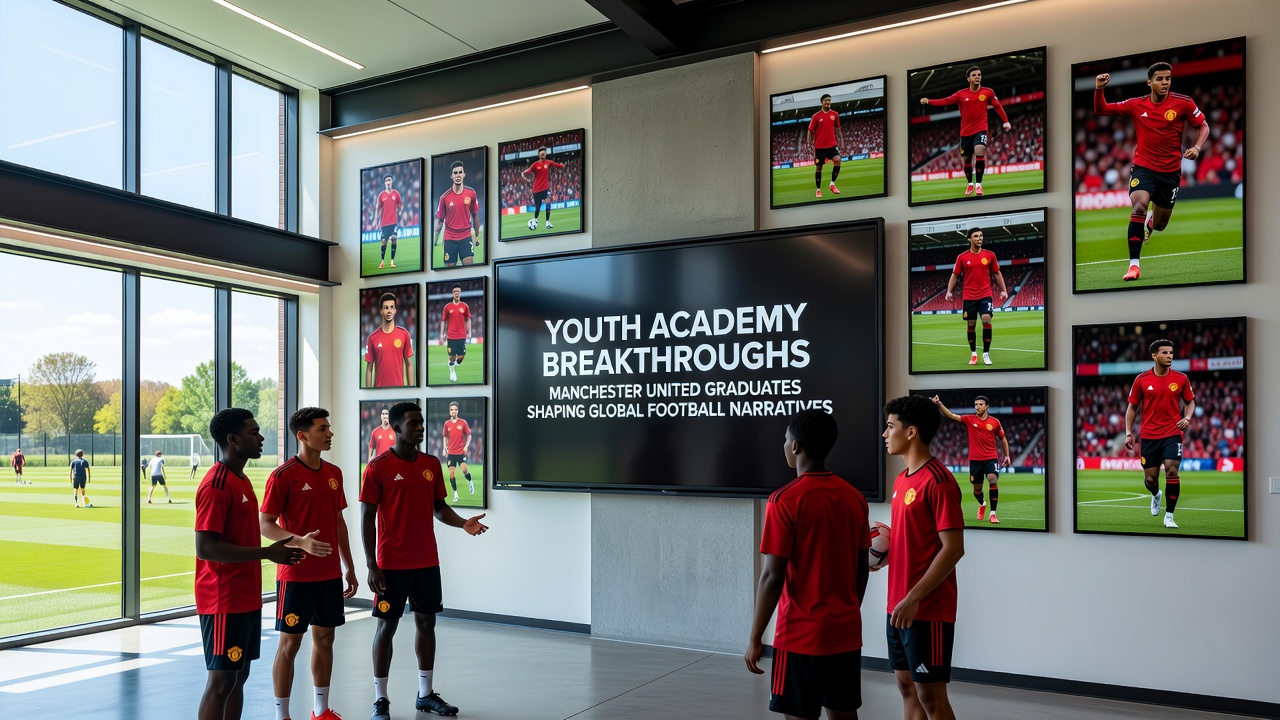
The Carrington training complex serves as the hub for age-group teams from under-9 through under-23 levels, and coaches integrate video analysis with on-field drills to refine decision-making under pressure. Players progress through structured matches against academy sides from other Premier League clubs, and those who meet performance benchmarks receive opportunities in UEFA Youth League competitions. Research from the FIFA Technical Study Group indicates academies that combine physical conditioning with psychological support see higher retention rates, and Manchester United applies similar principles through partnerships with sports science departments at regional universities. In June 2026 several under-21 graduates signed professional contracts that included clauses for potential loans to clubs in Scandinavia and South America, allowing continued exposure to senior football environments.
Key Graduates and Their Career Trajectories
Marcus Rashford entered the first team in 2016 after progressing through every youth level, and he has since accumulated over 400 appearances while representing England at major tournaments. Kobbie Mainoo followed a comparable route, debuting in 2023 and establishing himself as a central midfielder whose passing range attracts attention from scouts at clubs in Italy and Spain. Other alumni include graduates who moved abroad early, such as those who joined Eredivisie sides before securing transfers to Ligue 1 teams, and statistics compiled by Opta show these players maintaining above-average pass completion rates in their new leagues. One study published by the University of Queensland's sports science faculty examined 150 academy leavers from multiple English clubs and found Manchester United products achieved the highest average minutes played in top-tier competitions over a five-year span after departure.
Global Influence and Transfer Patterns
Clubs in Asia and North America actively monitor Manchester United youth matches, and several graduates have joined MLS franchises on multi-year deals that include performance incentives tied to international call-ups. In the summer window leading into 2026, two former academy midfielders completed moves to J-League teams, where they contributed to improved defensive organization according to league match reports. European clubs continue to pursue these players because their early exposure to high-tempo training sessions translates into adaptability across different tactical systems. UEFA's youth development reports document how academies with strong scouting networks in Africa and Eastern Europe feed talent into the Manchester United pathway, and this diversity has produced graduates who later return to those regions as mentors or ambassadors for local programs.
Training Methodologies and Long-Term Outcomes
Coaches employ small-sided games to develop spatial awareness, and players receive individualized nutrition plans monitored through wearable technology. Data collected over the past decade shows that graduates who spent at least four years in the system exhibit lower injury recurrence rates once they reach senior football, and this trend holds when they transfer to clubs with varying medical infrastructures. In June 2026 academy staff introduced new recovery protocols based on findings from a Canadian university research project on adolescent athletes, and initial internal assessments indicate improved workload management among the under-18 squad. Graduates who left for other leagues often credit the emphasis on match intelligence rather than raw athleticism, and this approach continues to shape how recipient clubs structure their own youth curricula.
Conclusion
Manchester United academy graduates maintain a presence across professional football landscapes, and the pipeline remains active with new cohorts preparing for senior opportunities. Club records and external performance data confirm the ongoing export of players who adapt their skill sets to diverse competitive environments, while partnerships with academic institutions support evidence-based refinements to training methods. As of mid-2026 the pattern of alumni influencing team dynamics at clubs worldwide persists, and further developments will depend on continued investment in age-group infrastructure alongside scouting reach.